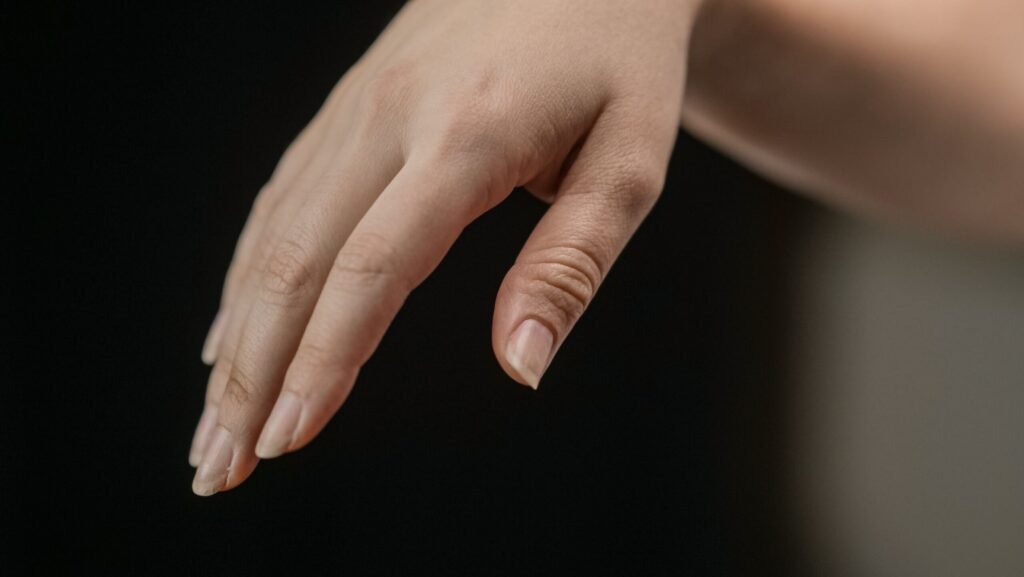
The scientific reality is that you cannot drastically speed up the biological rate at which your body produces fingernails. Fingernails grow at a predetermined average rate of about 3 to 4 millimeters per month, largely dictated by genetics, age, and blood circulation. However, you can achieve the appearance of rapid growth by producing the strongest possible nail and entirely eliminating the breakage that sets your progress back. If you have ever watched your nails reach a promising length only to have them snap, peel, or split — forcing you back to square one — this comprehensive guide will show you exactly how to retain every millimeter of growth your body produces. Below, we break down five expert-backed strategies that prioritize nail strength, flexibility, and protection so your nails can finally reach the length you have been chasing.
5 Expert Strategies to Maximize Your Natural Nail Growth
1. Hydrate for Flexibility With Cuticle Oil
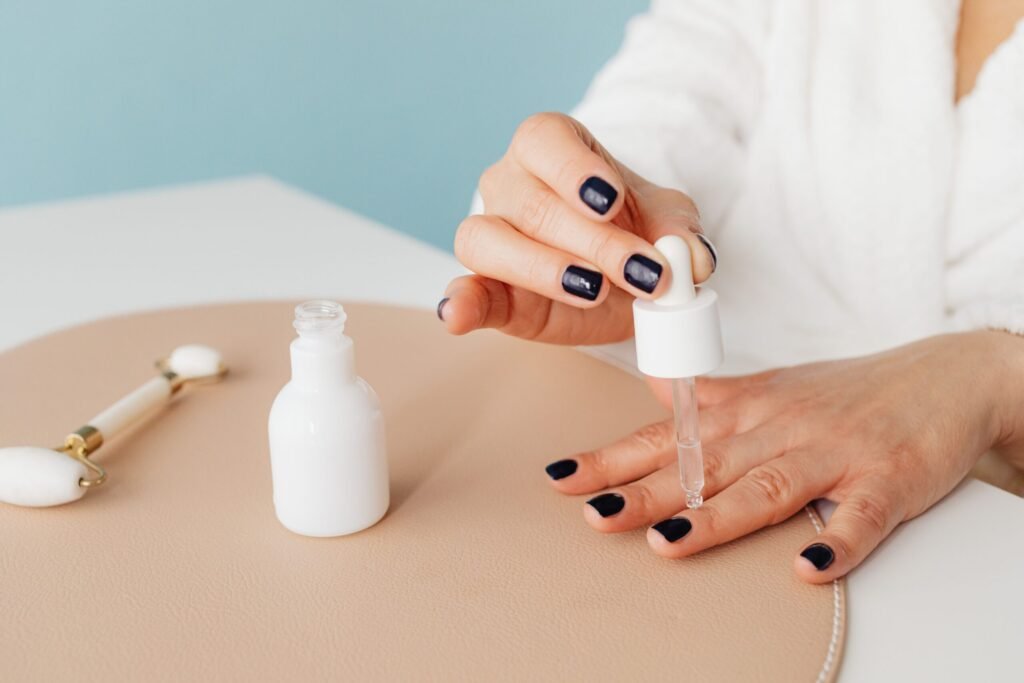
Brittle nails snap; flexible nails bend and survive. This is the single most important principle in nail retention. Apply a high-quality cuticle oil — jojoba, squalane, or vitamin E — directly to your cuticles and the underside of your nail tip multiple times a day. Jojoba oil is particularly effective because its molecular structure is small enough to penetrate the nail plate rather than merely coating the surface. Think of your nail like a brick wall: the keratin cells are the bricks, and oil is the mortar holding everything together. When that mortar dries out, the bricks crumble apart. A pen-style applicator makes on-the-go application effortless, which is critical because consistency matters far more than quantity. Within two weeks of daily application, most people notice their nails feel less brittle and stop splitting at the tips. The key is making this a non-negotiable part of your routine — morning, midday, and evening at minimum.

2. Stop Using Your Nails as Tools
Opening soda cans, scratching off labels, prying things apart, or even typing aggressively puts immense lateral stress on the nail plate that it was never designed to withstand. Every time you use your nail as a lever, you are creating invisible micro-fractures in the keratin layers. These fractures accumulate until the nail suddenly breaks — often painfully close to the nail bed. The fix requires conscious habit change: use the pads of your fingers or actual tools instead. Keep a letter opener at your desk, use a key to scratch labels, and pull soda tabs with the side of your finger rather than wedging your nail underneath. This also applies to peeling off stickers, opening packages, and digging into tight spaces. The nails that grow the longest belong to people who treat them as decorative, not functional.
3. Keep Them Painted With a Protective Base Coat
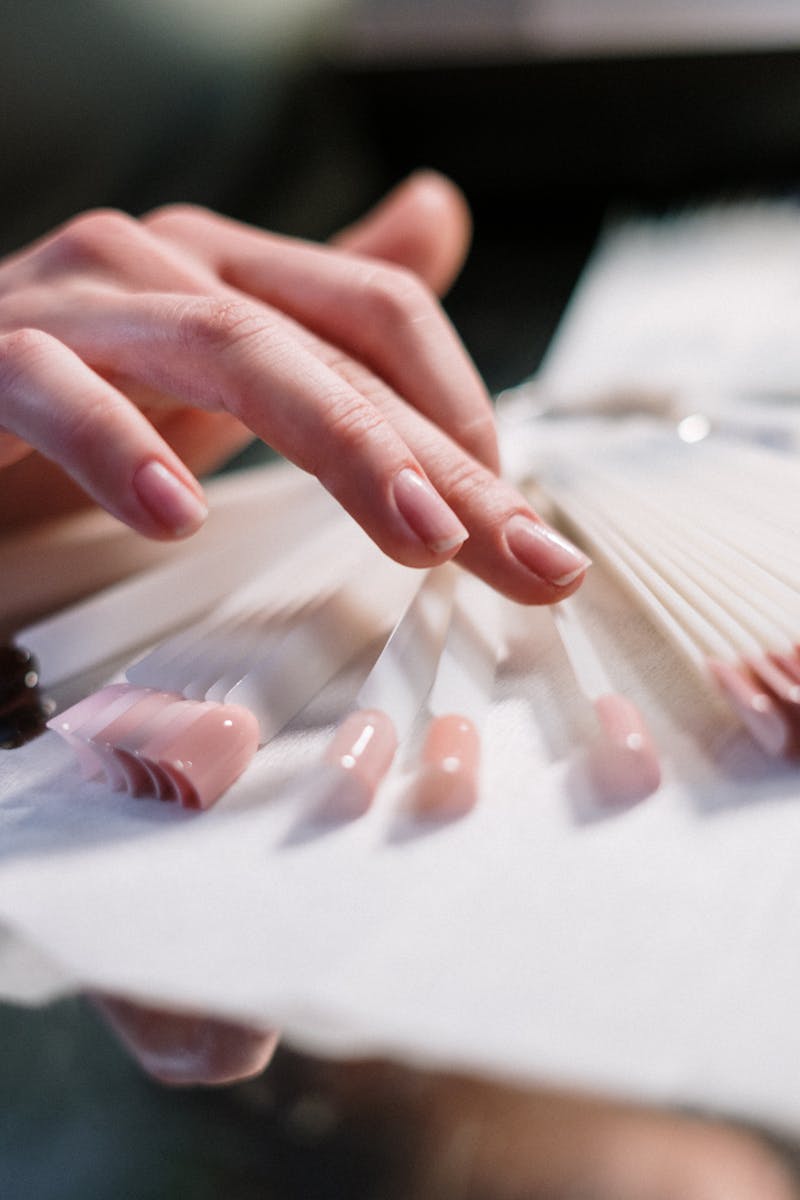
Even a clear base coat adds a structural layer of protection against daily wear and tear. It acts as a physical shield against the minor bumps, scrapes, and friction that would otherwise cause microscopic tears in your nail plate. These tiny tears are invisible to the naked eye but they accumulate over days, eventually causing the dramatic splits and breaks that destroy your length progress. A breathable nail strengthener or non-toxic polish creates a barrier between your nail and the outside world. Reapply every three to four days to maintain the protective layer, and always use a gentle acetone-free remover when it is time to change. Never peel polish off — when you do, you rip away the top microscopic layers of your actual nail plate, immediately thinning and weakening it.
4. Stimulate Blood Flow to the Nail Matrix
The nail matrix — the hidden tissue beneath your cuticle where new nail cells are born — relies entirely on blood flow for the nutrients it needs to produce strong keratin. Poor circulation means your matrix receives fewer building materials, resulting in thinner, weaker nail growth. You can stimulate blood flow to this area by gently massaging your cuticles every time you apply oil. Use small circular motions with moderate pressure for about thirty seconds per finger. Regular exercise also improves overall circulation to your extremities. Some nail professionals recommend warm olive oil soaks for five minutes before your massage routine, as the warmth dilates blood vessels in your fingertips. Over time, improved circulation can contribute to marginally faster and noticeably stronger nail production.
5. Eat for Keratin Production — Protein Over Biotin
Nails are made of keratin, which is a protein. Ensure your diet includes adequate protein (0.8 to 1 gram per kilogram of body weight daily), iron, zinc, and omega-3 fatty acids. Biotin supplements are heavily marketed for nail growth, but clinical research shows they only produce dramatic improvement if you have an underlying deficiency — which most people eating a balanced diet do not. Instead of spending money on biotin gummies, focus on foods that provide the actual building blocks of keratin: salmon, eggs, lentils, spinach, lean red meat, and Greek yogurt. Iron is equally critical — iron deficiency is one of the most common nutritional causes of brittle, spoon-shaped nails. Omega-3 fatty acids from fish, walnuts, and flaxseed help maintain the moisture balance in your nail plate from the inside out. A balanced diet guarantees your body has the materials it needs to build the strongest possible nail cells.
Frequently Asked Questions
Fingernails grow approximately 3 to 4 millimeters per month on average. This rate is largely determined by genetics, age, and overall health. Younger people and those with good circulation tend to experience slightly faster growth. To completely regrow a nail from cuticle to free edge typically takes 4 to 6 months.
Biotin (Vitamin B7) only shows significant nail improvement in people who are deficient. For most people eating a balanced diet, supplementing biotin will not meaningfully change nail growth rate or strength. Focus instead on adequate protein and iron intake, which provide the actual building blocks of keratin.
Jojoba oil is considered the gold standard because its molecular size allows it to penetrate the nail plate rather than just coating the surface. Other beneficial options include squalane oil, vitamin E oil, and sweet almond oil. The most important factor is consistency — applying any quality oil multiple times daily will dramatically improve nail flexibility and reduce breakage.
This usually indicates a consistent source of mechanical stress or dehydration at that length. As nails extend past your fingertips, they lose the support of the nail bed and become vulnerable to lateral forces. The solution is to increase oil application, wear a protective base coat, and consciously stop using your nails as tools. A glass file also helps seal the free edge against splitting.
Yes — gentle cuticle massage stimulates blood circulation to the nail matrix, which is the tissue responsible for producing new nail cells. While the effect on growth speed is modest, improved blood flow delivers more nutrients to the matrix, which can result in stronger and slightly faster nail production over time.
This article is written for informational purposes only and does not constitute medical advice. Content has been reviewed by a board-certified dermatologist for accuracy. Individual results may vary based on genetics, health status, and lifestyle factors. Always consult a qualified healthcare provider or dermatologist for persistent nail concerns.